If you’ve spotted brilliantly blue teas or lattes at your local café and wondered how they managed that bold color, you’ve likely come across dried blue pea flower petals. Sometimes called Butterfly Pea Flower, Clitoria ternatea, or Anchan, these vibrant petals bring a lot more than just good looks to the table. They’re one of those botanical ingredients I always keep on hand thanks to their natural color, gentle flavor, and long history in traditional herbal wellness.
What Makes Dried Blue Pea Flower Petals Unique?
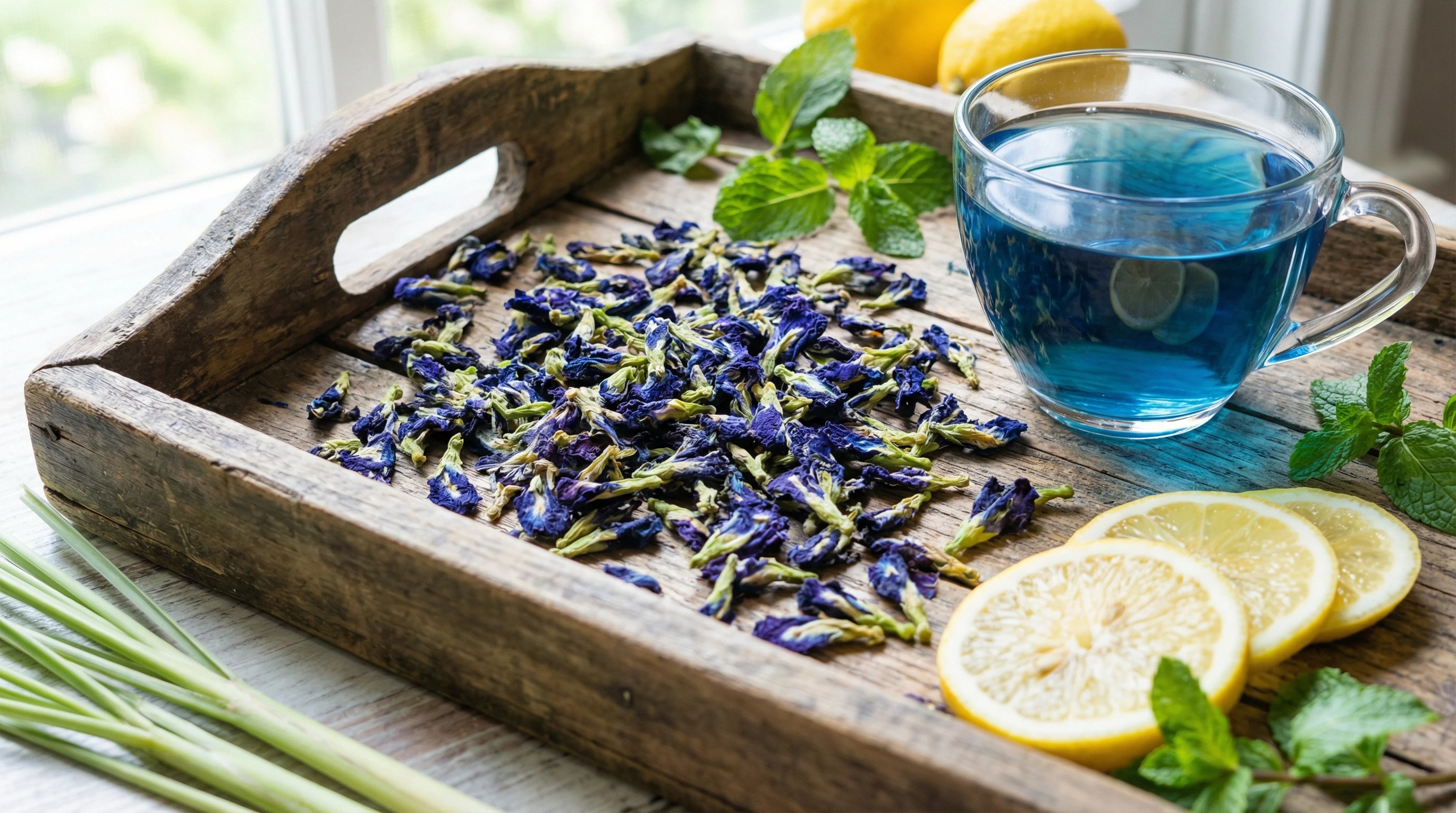
Dried blue pea flower petals come from the Butterfly Pea plant, which grows mainly in Southeast Asia. Once picked, the flowers are spread out and dried naturally in the sun. This simple method locks in the deep blue color and preserves the antioxidants and handy phytonutrients found in the fresh blooms.
When steeped in hot water, these petals produce a bold sapphire-blue infusion. Add a squeeze of lemon or lime, and the tea switches to a stunning purple-pink. That color-changing magic is all thanks to the natural plant compounds mixing with acidity. It’s definitely a conversation starter at any get-together.
Besides their looks, these petals have a light, earthy flavor with just a touch of floral that blends easily in all sorts of recipes, from teas to smoothies. It’s an ingredient with a lot of range, perfect for any home cook or wellness enthusiast.
Wellness Benefits from Traditional and Modern Viewpoints
Blue pea flower petals have a long track record of use in Ayurveda and traditional Thai herbalism. Lots of folks enjoy blue pea flower tea for its calming and revitalizing effects. The flowers are said to help balance the mind, support memory, and soothe everyday stress. They’re naturally caffeine free, so they slide right into a wind-down routine or caffeine free lifestyle.
- Cognitive Support: In Ayurveda, blue pea flower is known as “Shankhpushpi,” and is used to support focus and mental clarity. While research is ongoing, it contains compounds like anthocyanins and flavonoids that are being studied for brain and nerve health.
- Stress and Relaxation: The flower is considered cooling and gently calming. Many people drink blue pea tea to help decompress, especially after a busy day or before sleep.
- Antioxidants for Skin and Hair: Packed with antioxidants, especially anthocyanins, these petals help fight off everyday stressors on your skin and can be used in homemade masks or rinses for hair.
- Gentle Eye and Nervous System Benefits: Some sources in traditional medicine also mention blue pea flower as being supportive for the eyes and the overall nervous system. That’s one reason I like to include it in evening rituals.
Another fun wellness tip: some believe adding a few drops of blue pea infusion to a compress can soothe tired eyes, though be sure to patch test for sensitivity first.
How to Use Dried Blue Pea Flower Petals in Everyday Life
One thing I love about dried blue pea flower petals is how versatile they are. Here are my favorite ways to use them at home:
- Brewing Simple Herbal Teas: Toss 5–8 dried petals into a cup, pour over boiling water, and let steep for 3–5 minutes. For more flavor, add a little honey, fresh ginger, or lemongrass.
- Color Changing Lemonade: Brew a strong blue tea, chill it, and pour it over lemonade. Watch the color go from blue to purple right before your eyes.
- Latte Art: Mix with steamed milk or a nondairy alternative for a blue or purple latte. Sweeten as you like.
- Smoothies and Bowls: Blend blue pea flower tea into smoothies or use it to tint the milk in overnight oats. It adds a nice visual pop with barely any extra flavor.
- Culinary Presentations: Use the petals to infuse syrups, ice cubes, or rice for creative kitchen projects. They’re also great sprinkled as a garnish.
- Homemade Skincare: Make a blue pea flower facial rinse by steeping petals in hot water, letting it cool, and applying it with a soft cloth or spray bottle. It’s gentle and refreshing.
- Bath Soaks: Steep some blue pea petals in hot water, strain, and add to your bath for a relaxing, colorful soak. The antioxidants can give your at home spa night a little boost.
Try experimenting with homemade blue pea flower ice pops, or swirl a blue pea syrup into yogurt for a playful treat.
Things to Keep in Mind When Buying Blue Pea Flower Petals
Since blue pea flower is popping up almost everywhere these days, I pay extra attention to where my petals come from and how they’re processed. Organic, chemical free petals mean you’re not getting anything unwanted in your tea or skincare. Sourcing from reputable sellers makes sure the flowers have been dried properly, which helps them keep their color, scent, and effects intact.
If you’re new to blue pea flower, start with smaller amounts since exposure to air and moisture can fade the petals over time. I store mine in a sealed, dry container away from light to keep them fresh as long as possible. An airtight glass jar in the pantry works perfectly and helps you keep an eye on their color and quality.
For anyone seeking the boldest blue, check that your petal mix is made entirely of whole petals and not dust or chopped stems. The fresher the petals, the brighter the brew.
Common Questions About Blue Pea Flower Use
Question: How strong is the flavor of blue pea flower?
Answer: Blue pea flower is pretty mild and earthy with just a hint of floral notes. It doesn’t overpower, which makes it perfect for blending with other herbs or using as a natural dye in food and drinks.
Question: Is it safe to use blue pea flower every day?
Answer: Drinking butterfly pea flower tea is generally safe for most people in moderate amounts. If you’re pregnant, nursing, or on medication, it’s always a smart move to double check with your healthcare provider first.
Question: Why does blue pea flower tea change color?
Answer: The blue color in the tea comes from anthocyanins, which are sensitive to changes in pH. Adding something acidic, like lemon or lime juice, causes the pigment to react and switch from blue to purple or pink.
My Go To Blue Pea Flower Recipe: Blue Lemon Dream Iced Tea
I’ve experimented with a bunch of ways to use blue pea flower, but this iced tea version is my favorite for summer. Here’s the quick version you can try at home:
- Brew 2 teaspoons of dried blue pea flower petals with 1 cup of boiling water for 5 minutes.
- Strain and cool the infusion completely.
- Pour the brewed tea over ice, then add 1/2 cup of fresh lemonade.
- Stir and watch the color change. Sweeten with honey if you like.
This recipe is refreshing, fun to watch, and easy to batch for a crowd. If you want to make it extra fancy, toss in some sliced citrus, a sprig of mint, or a handful of edible flowers for an eye catching twist at your next gathering.
Choosing a Quality Brand: Why I Like Pure and Ethically Sourced Petals
With blue pea flower products getting more popular, some brands add dyes or fillers. I always check for petals that are Non-GMO, chemical free, and preferably organic. Ethically sourced petals support farmers in Southeast Asia and keep the rich traditions connected to this beautiful flower alive. If you like a one stop shop for herbal blends, brands like OasisTeaz sell straight dried petals and ready to brew mixes, which can take the guesswork out of things.
Quality dried petals will have a bright blue color, a faint grassy scent, and little to no dust or debris in the bag. Those little details often signal careful harvesting and minimal processing, which is important for keeping that signature color and wellness benefit intact.
Be sure to read reviews and check for clear sourcing information, especially if you plan to use the petals for both culinary and skin care recipes.
Creative Ideas for Using Up Extra Petals
- Ice Cubes: Freeze steeped blue pea flower tea in an ice tray. The ice cubes will tint your water or cocktails blue as they melt.
- Rice or Sticky Rice: Steep a handful of petals in hot water, then use the colored water to cook rice for a fun blue or purple dish. This is a popular treat at Southeast Asian celebrations.
- Dessert Topping: Sprinkle whole petals over cakes or cupcakes for a fancy finish without extra work.
- DIY Blue Yogurt: Mix cooled blue pea tea into plain yogurt for whimsical breakfasts or healthy snacks.
- Infused Liquor: Drop petals into gin or vodka overnight, strain, and use the blue spirit to make color changing cocktails for parties.
These ideas help get the most out of every bag, so nothing goes to waste and your kitchen gets a burst of creativity.
Wrapping Up
Dried blue pea flower petals offer a unique combination of color, light taste, and gentle wellness support that fits right into modern routines. Whether you’re creating stunning color changing drinks, looking for new herbal tea blends, or just want to try something new in your kitchen, these petals are well worth tracking down. If you’re curious to get started, checking out something like the Blue Vitality blend from Oasis Teaz is a pretty handy way to bring the magic of Butterfly Pea Flower right to your mug. Time to roll and let your kitchen sparkle with the blue hues of this eye catching and gentle botanical!